
White Discharge (Leucorrhea): When Is It Normal and When Should You See a Doctor?
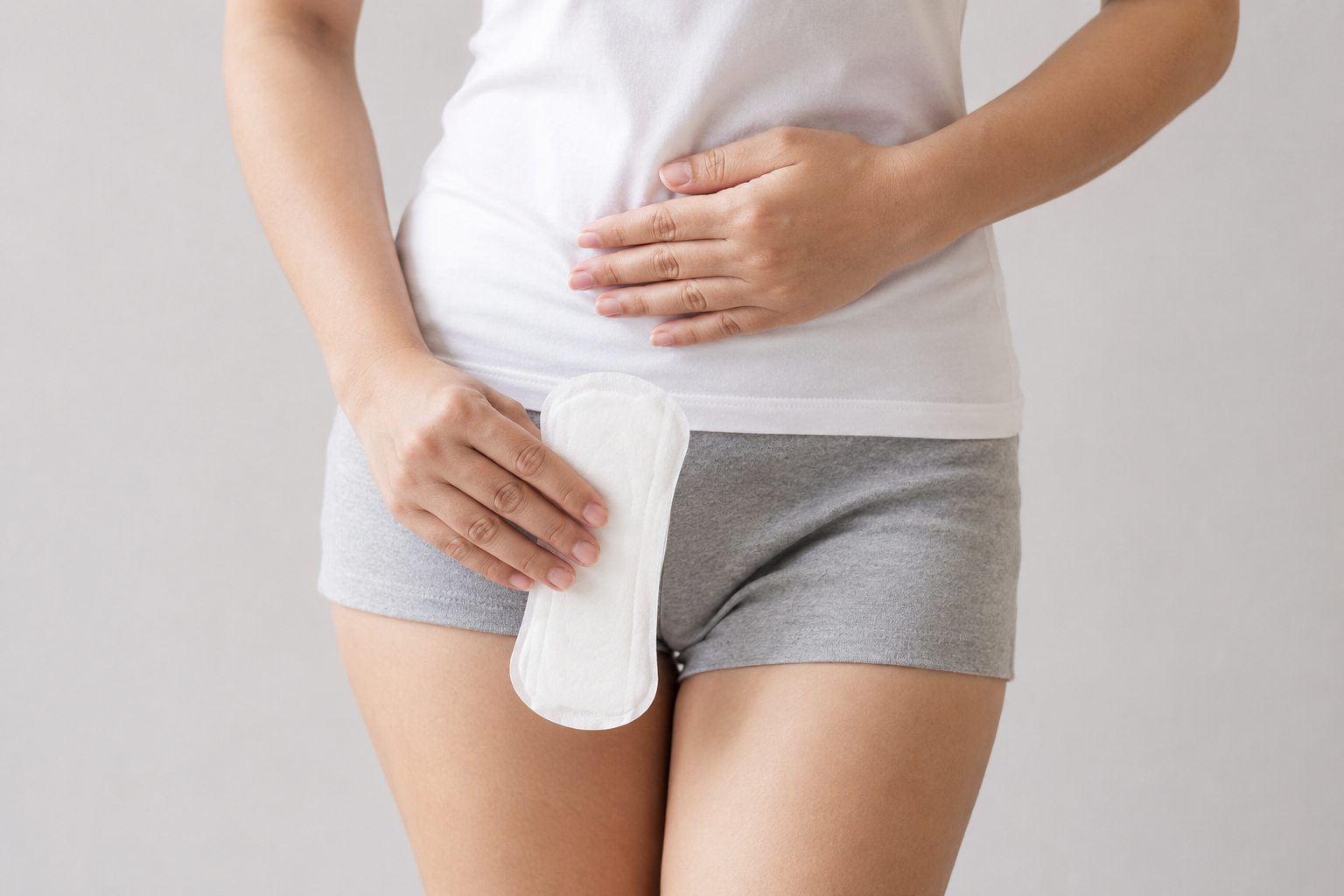
White vaginal discharge, medically known as leucorrhea, is one of the most common concerns among women of all ages. Many women worry that every episode of white discharge is a sign of disease. However, the truth is that not all white discharge is abnormal. In many cases, it is a natural process that helps keep the vagina healthy.
Understanding the difference between normal and abnormal discharge can help you seek timely treatment and maintain good reproductive health. Ayurveda also offers a holistic approach to managing abnormal white discharge by treating its root cause rather than simply controlling the symptoms.
What Is White Discharge?
White discharge is a fluid naturally produced by the glands of the cervix and vagina. It helps to:
- Keep the vagina clean
- Maintain healthy vaginal flora
- Prevent infections
- Provide natural lubrication
- Protect the reproductive organs
The amount, consistency, and color of discharge vary depending on hormonal changes during the menstrual cycle.
When Is White Discharge Normal?
Physiological (normal) white discharge is:
- Clear or milky white
- Thin or slightly thick
- Odorless or has a mild smell
- Does not cause itching, burning, or pain
It commonly increases during:
Ovulation
Hormonal changes increase cervical mucus, making the discharge stretchy and slippery.
Before Menstruation
Progesterone causes discharge to become thicker.
Pregnancy
Increased estrogen and blood flow lead to more vaginal discharge.
Sexual Arousal
Natural lubrication increases.
Stress and Hormonal Changes
Temporary changes in hormones may increase discharge.
This type of discharge does not require treatment.
When Is White Discharge Abnormal?
Consult a doctor if the discharge is accompanied by:
Yellow, green, or gray color
Thick, curd-like (cottage cheese) appearance
Foul or fishy smell
Severe itching
Burning sensation
Pain during urination
Pain during intercourse
Lower abdominal pain
Fever
Blood-stained discharge (not related to menstruation)
These symptoms may indicate an infection or another gynecological condition.
Common Causes of Abnormal White Discharge
Fungal Infection (Candidiasis)
Common signs and risk factors:
- Thick white discharge
- Intense itching
- Redness
- Burning sensation
Bacterial Vaginosis
Occurs due to an imbalance of healthy vaginal bacteria.
- Thin gray-white discharge
- Fishy odor
- Mild irritation
Sexually Transmitted Infections (STIs)
Chlamydia, gonorrhea, and trichomoniasis can cause:
- Yellow or green discharge
- Bad odor
- Pelvic pain
- Pain during urination
Cervical Infection
Inflammation of the cervix may cause:
- Persistent discharge
- Spotting after intercourse
- Pelvic discomfort
Hormonal Imbalance
Conditions like PCOS, pregnancy, menopause, and thyroid disorders may alter vaginal discharge.
Poor Intimate Hygiene
Poor hygiene, prolonged dampness, or wearing tight synthetic clothing can increase the risk of infections.
Diabetes
High blood sugar encourages fungal growth, leading to recurrent vaginal infections.
Risk Factors
You may be at higher risk if you have:
- Poor genital hygiene
- Uncontrolled diabetes
- Pregnancy
- Obesity
- Frequent antibiotic use
- Hormonal imbalance
- Low immunity
- High stress
- Multiple sexual partners
Prevention Tips
Maintaining healthy vaginal hygiene can reduce the risk of infections.
Maintain Good Hygiene
Wash the genital area with clean water. Avoid harsh soaps and scented products. Wipe from front to back after using the toilet.
Wear Breathable Clothing
Choose loose-fitting cotton underwear and avoid tight synthetic garments.
Change Wet Clothes Promptly
Avoid staying in sweaty workout clothes or wet swimsuits for long periods.
Practice Safe Sex
Use protection and undergo regular health check-ups if needed.
Control Blood Sugar
Women with diabetes should maintain good glucose control to reduce recurrent infections.
Eat & Avoid for Vaginal Health
Eat more
- Fresh fruits
- Green leafy vegetables
- Yogurt (if suitable)
- Whole grains
- Plenty of water
Avoid
- Excess sugar
- Refined flour
- Junk food
- Sugary drinks
Ayurvedic Perspective
In Ayurveda, abnormal white discharge is often correlated with Shweta Pradara, which is primarily associated with an imbalance of Kapha Dosha and may involve Vata Dosha. Impaired digestion (Agni) and accumulation of Ama (metabolic toxins) can also contribute. The condition is assessed individually based on a woman's constitution, symptoms, and underlying cause.
Ayurvedic Management
Ayurvedic treatment focuses on identifying and addressing the root cause rather than only reducing the discharge. Depending on the individual's condition, an Ayurvedic physician may recommend:
- Personalized herbal medicines
- Dietary modifications
- Lifestyle correction
- Measures to improve digestion (Agni)
- Panchakarma therapies, where appropriate and clinically indicated
The treatment plan varies from person to person and should always be supervised by a qualified Ayurvedic doctor.
Lifestyle Tips
- Sleep 7–8 hours daily.
- Exercise regularly.
- Practice yoga and meditation to manage stress.
- Maintain a healthy weight.
- Avoid self-medication.
- Complete any prescribed treatment course.
- Attend regular gynecological check-ups.
When Should You See a Doctor?
Seek medical advice immediately if you experience:
Persistent white discharge lasting more than 1–2 weeks
Foul-smelling discharge
Severe itching or burning
Green, yellow, or bloody discharge
Pelvic or lower abdominal pain
Fever
Pain during intercourse
Recurrent vaginal infections
White discharge during pregnancy accompanied by itching, odor, pain, bleeding, or leaking of fluid
Early diagnosis can help prevent complications and ensure appropriate treatment.
Frequently Asked Questions
Is white discharge always a sign of infection?
No. Normal white discharge is a healthy part of the body's natural cleansing process.
Can stress increase white discharge?
Yes. Hormonal changes associated with stress may temporarily increase vaginal discharge.
Can PCOS cause white discharge?
Hormonal changes in PCOS may influence vaginal discharge, but persistent or abnormal discharge should be evaluated to rule out infection or other conditions.
Can Ayurveda cure leucorrhea permanently?
Ayurveda aims to identify and manage the underlying cause while improving overall reproductive health. The outcome depends on the cause, severity, and adherence to treatment, and should be guided by a qualified Ayurvedic physician.
Conclusion
White discharge is often a normal and healthy part of a woman's reproductive cycle. However, changes in color, odor, quantity, or associated symptoms such as itching, burning, or pelvic pain should not be ignored. Good hygiene, a balanced lifestyle, and timely medical evaluation can help maintain vaginal health. Ayurveda offers a holistic approach to supporting women's reproductive wellness by addressing underlying imbalances through individualized care.
Disclaimer: This article is for educational purposes only and should not be considered medical advice. Always consult a qualified gynecologist or Ayurvedic physician for proper diagnosis and personalized treatment.
Have questions?
Speak with Dr. Anita and start your personalized care plan.