
7 Common Myths About PCOS You Should Stop Believing
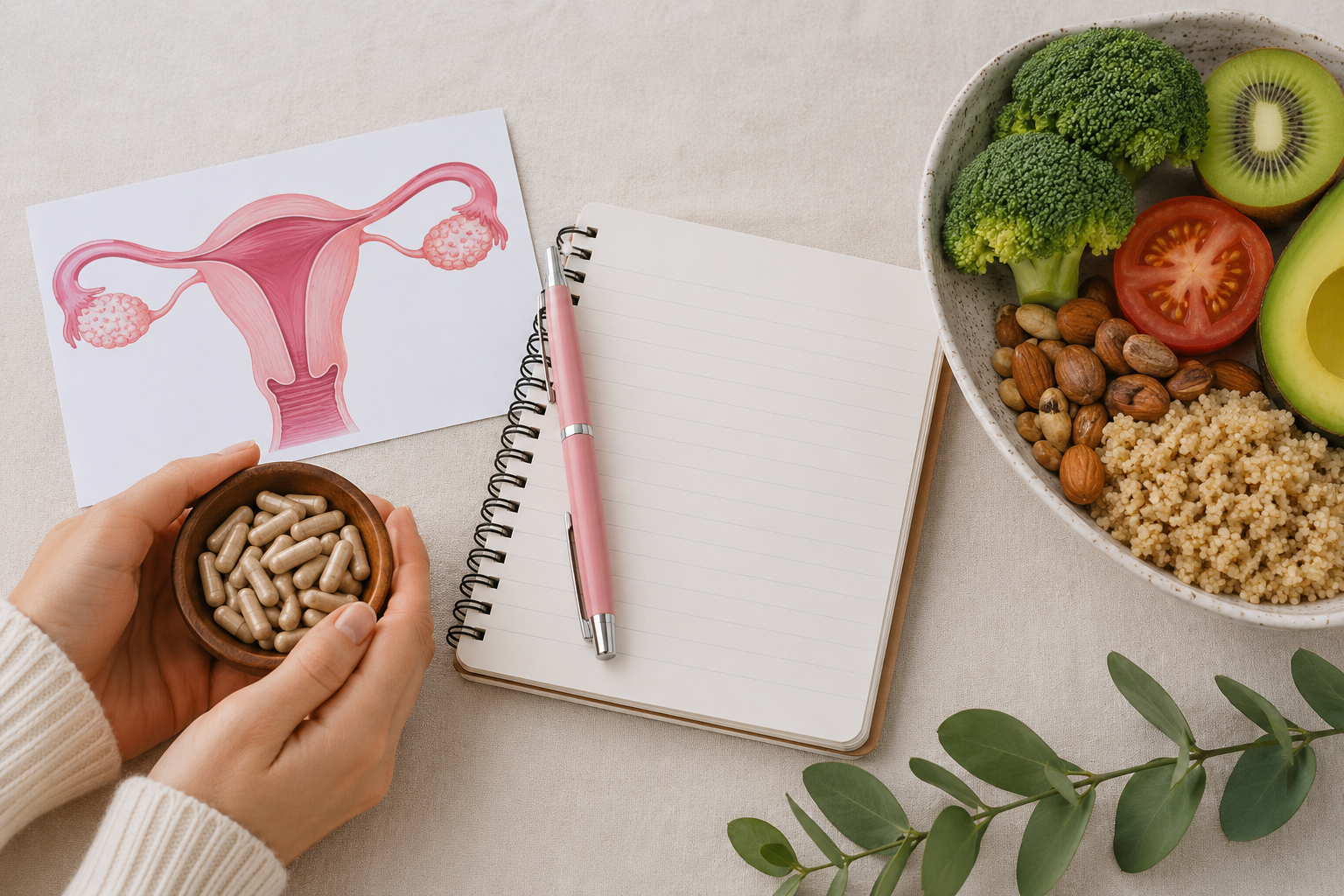
Polycystic Ovary Syndrome (PCOS) is one of the most common hormonal disorders affecting women of reproductive age. It can cause irregular periods, acne, weight gain, excess facial hair, difficulty conceiving, and metabolic issues. Unfortunately, many women receive misleading information about PCOS, which can delay proper diagnosis and treatment.
Understanding the facts can help women make informed decisions about their health. Ayurveda also offers a holistic approach that complements modern medical care by focusing on improving overall health rather than just managing symptoms.
Let's explore seven common myths about PCOS and the truth behind them.
PCOS Only Affects Overweight Women
Women of all body types can have PCOS. While many women with PCOS are overweight due to insulin resistance, a significant number have lean PCOS, where body weight remains normal despite hormonal imbalance.
PCOS develops due to a combination of:
- Hormonal imbalance
- Insulin resistance
- Genetic predisposition
- Chronic low-grade inflammation
These factors can occur regardless of body weight.
Ayurveda does not classify diseases solely based on weight. Different body constitutions (Prakriti) respond differently. Lean women may primarily have Vata-Pitta imbalance, while overweight women often show Kapha predominance with impaired metabolism (Agni).
Treatment is individualized according to each woman's constitution and symptoms.
Women with PCOS Cannot Get Pregnant
PCOS does not mean infertility. It simply means ovulation may occur irregularly, making conception more challenging — but certainly possible.
Many women with PCOS conceive naturally or with appropriate treatment.
PCOS commonly causes:
- Delayed ovulation
- Anovulation
- Hormonal imbalance
Once ovulation improves through lifestyle changes or medical treatment, pregnancy chances often increase significantly.
Ayurveda aims to:
- Improve ovulation
- Balance hormones naturally
- Enhance reproductive tissue (Artava Dhatu)
- Improve uterine health
- Reduce stress
By correcting the root imbalance, fertility may improve naturally in suitable cases.
Irregular Periods Are Normal in PCOS
Irregular periods are common in PCOS but should never be ignored. Skipping periods for several months increases the risk of:
- Endometrial thickening
- Heavy bleeding
- Endometrial hyperplasia
- Long-term uterine complications
Without regular ovulation, progesterone levels remain low, causing continuous estrogen stimulation of the uterine lining.
This is why regular menstrual cycles are important.
Ayurveda considers regular menstruation an important sign of healthy reproductive function. Treatment focuses on restoring a balanced menstrual cycle rather than simply inducing withdrawal bleeding.
Birth Control Pills Cure PCOS
Birth control pills help manage symptoms but do not cure PCOS.
Symptoms often return after stopping the medication if the underlying causes remain untreated.
Oral contraceptive pills:
- Regulate menstrual bleeding
- Reduce acne
- Lower androgen levels
- Improve excess hair growth
However, they do not eliminate insulin resistance or permanently restore normal ovulation.
Ayurveda emphasizes correcting the root cause by improving metabolism, hormonal balance, digestion, and lifestyle rather than only suppressing symptoms.
Weight Loss Alone Will Cure PCOS
Weight loss can significantly improve symptoms, but it is not a complete cure.
Some women remain symptomatic even after losing weight.
PCOS involves multiple factors including:
- Genetics
- Hormonal imbalance
- Insulin resistance
- Inflammation
- Stress
Weight management is only one part of treatment.
Ayurveda focuses on:
- Healthy digestion (Agni)
- Balanced Doshas
- Proper sleep
- Stress reduction
- Nutritious diet
- Regular exercise
Overall lifestyle correction is considered more important than weight loss alone.
PCOS Is Only a Reproductive Problem
PCOS affects the entire body. It can increase the risk of:
- Type 2 diabetes
- High cholesterol
- High blood pressure
- Fatty liver
- Sleep apnea
- Anxiety
- Depression
- Heart disease
Insulin resistance plays a major role in many of these complications.
Regular health check-ups help prevent long-term problems.
Ayurveda views PCOS as a systemic imbalance involving metabolism, digestion, hormonal regulation, and mental well-being. Therefore, treatment includes dietary guidance, daily routine, stress management, and herbal support alongside reproductive care.
There Is No Natural Way to Manage PCOS
Lifestyle changes are considered the first line of management for many women with PCOS.
Research shows that:
- Regular physical activity
- Healthy nutrition
- Weight management (when needed)
- Good sleep
- Stress reduction
can improve insulin sensitivity, regulate menstrual cycles, and support ovulation in many women.
Ayurveda supports natural management through:
- Personalized dietary recommendations
- Daily routines (Dinacharya)
- Yoga and pranayama
- Stress management
- Appropriate herbal formulations prescribed by a qualified Ayurvedic physician
- Panchakarma therapies in selected patients, when clinically appropriate
Treatment should always be individualized rather than self-prescribed.
Common Symptoms of PCOS
Women with PCOS may experience:
- Irregular or missed periods
- Acne
- Excess facial or body hair
- Hair thinning
- Weight gain or difficulty losing weight
- Dark pigmentation around the neck or underarms
- Difficulty conceiving
- Mood changes
- Fatigue
If these symptoms persist, seek medical evaluation for proper diagnosis.
Tips to Manage PCOS Naturally
- Eat a balanced diet rich in vegetables, whole grains, lean proteins, and healthy fats.
- Exercise for at least 30 minutes on most days.
- Maintain a healthy weight if advised by your doctor.
- Sleep 7–8 hours every night.
- Practice yoga, meditation, or breathing exercises to reduce stress.
- Avoid smoking and limit highly processed, sugary foods.
- Follow treatment recommended by your healthcare provider and attend regular follow-up visits.
When Should You Consult a Doctor?
Consult a gynecologist if you have:
No periods for more than three months
Very irregular menstrual cycles
Difficulty conceiving after trying for pregnancy
Excess facial hair or severe acne
Rapid weight gain
Persistent pelvic pain
Symptoms suggestive of diabetes, such as increased thirst or frequent urination
Early diagnosis and treatment can help reduce complications and improve long-term health.
Conclusion
PCOS is a manageable condition, and many misconceptions surrounding it can create unnecessary fear or delay treatment. Understanding the facts empowers women to take proactive steps toward better hormonal and reproductive health.
A combination of evidence-based medical care, healthy lifestyle changes, and individualized Ayurvedic management may help improve symptoms and overall well-being. Because PCOS varies from person to person, treatment should always be tailored to the individual's needs.
Disclaimer: This article is intended for educational purposes only and should not replace professional medical advice, diagnosis, or treatment. Always consult a qualified healthcare professional before starting any new treatment or herbal medication.
Have questions?
Speak with Dr. Anita and start your personalized care plan.