
Painful Periods (Dysmenorrhea): Causes and Ayurvedic Solutions
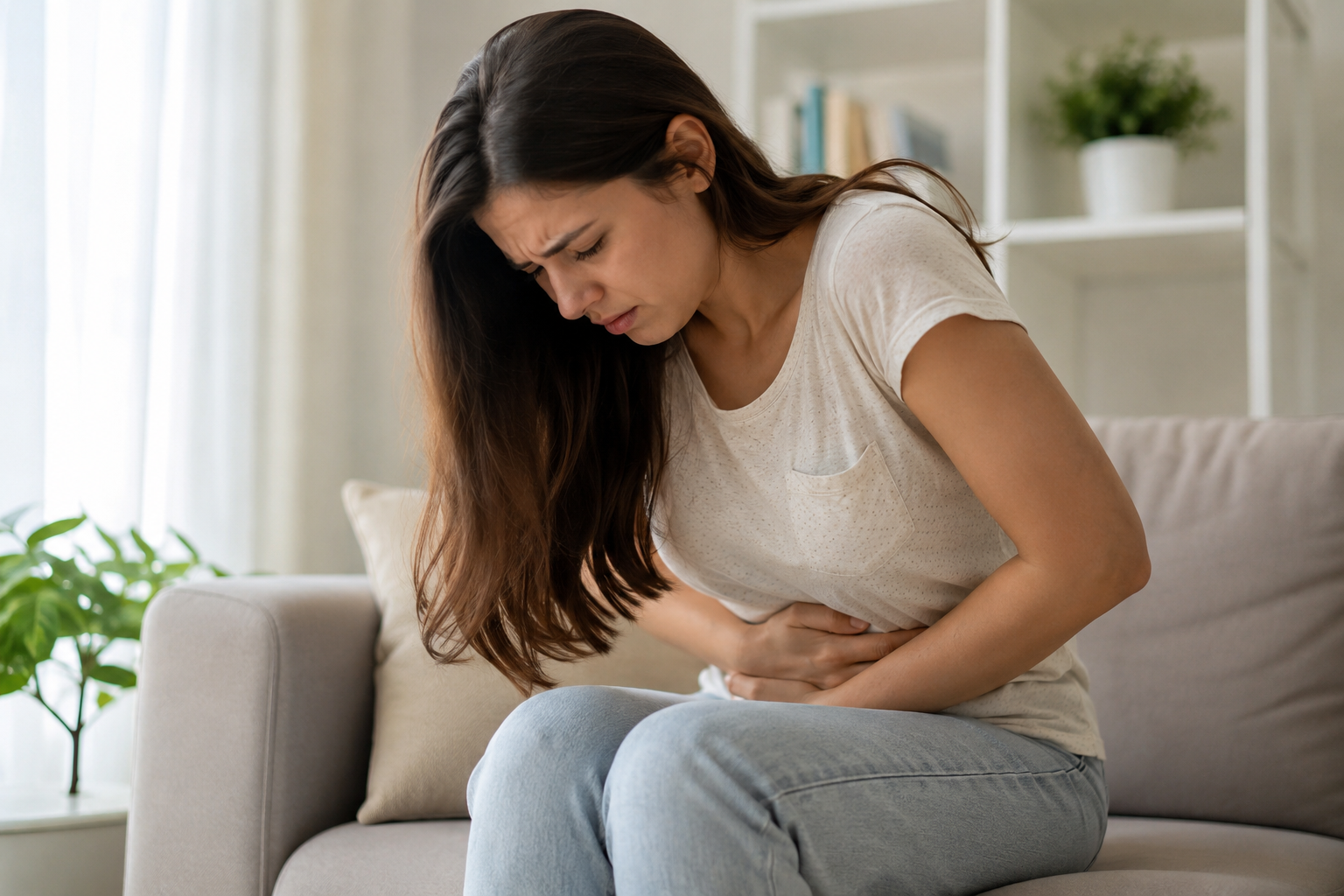
Menstrual pain, medically known as dysmenorrhea, is one of the most common concerns affecting women of all ages. While mild discomfort during periods is normal, severe pain that interferes with daily activities should never be ignored.
Many women rely on painkillers every month, but frequent medication only provides temporary relief without addressing the underlying cause. Ayurveda offers a holistic approach by identifying the root imbalance and restoring healthy menstrual function naturally.
In this article, we'll explore the causes of painful periods, natural home remedies, Ayurvedic treatment options, and signs that indicate you should consult a gynecologist.
What is Dysmenorrhea?
Dysmenorrhea refers to painful menstrual cramps that occur before or during menstruation. The pain is usually felt in the lower abdomen but may also radiate to the lower back, hips, and thighs.
Common symptoms include:
- Cramping pain in the lower abdomen
- Lower backache
- Pain radiating to the thighs
- Nausea or vomiting
- Loose motions
- Headache
- Fatigue
- Dizziness
- Weakness during periods
Types of Dysmenorrhea
Primary Dysmenorrhea
This type occurs without any underlying pelvic disease. It usually:
- Starts within a few years after the first period
- Is common among teenagers and young women
- Is caused by increased prostaglandin production leading to stronger uterine contractions
Secondary Dysmenorrhea
Pain occurs due to an underlying medical condition such as:
- Endometriosis
- Adenomyosis
- Uterine fibroids
- Pelvic inflammatory disease (PID)
- Ovarian cysts
- Cervical stenosis
Common Causes of Painful Periods
Several factors can contribute to menstrual pain.
Hormonal Changes
High levels of prostaglandins cause intense uterine contractions resulting in cramps.
Endometriosis
In this condition, tissue similar to the uterine lining grows outside the uterus, causing severe pain, painful intercourse, and infertility.
Adenomyosis
The uterine lining grows into the muscular wall of the uterus, leading to heavy bleeding and severe cramps.
Uterine Fibroids
Non-cancerous growths inside the uterus may cause painful periods, heavy bleeding, and pelvic pressure.
Pelvic Infections
Untreated pelvic infections can lead to chronic pelvic pain and painful menstruation.
Stress and Lifestyle Factors
Poor sleep, excessive stress, lack of exercise, unhealthy eating habits, and obesity can worsen menstrual pain.
Ayurvedic Perspective
In Ayurveda, painful menstruation is mainly associated with Vata Dosha imbalance, particularly Apana Vata, which governs the downward movement of menstruation.
When Vata becomes aggravated due to:
- Irregular meals
- Excess fasting
- Stress
- Lack of sleep
- Excessive travel
- Cold foods
- Dry foods
the menstrual flow becomes obstructed, resulting in painful cramps.
Depending on the individual's constitution, Pitta (causing burning sensation and heavy bleeding) or Kapha (causing congestion and sluggish flow) may also be involved. Therefore, Ayurvedic treatment is always individualized.
Home Remedies for Menstrual Pain
These simple remedies may help reduce mild menstrual cramps.
Apply Warm Compress
Using a hot water bag on the lower abdomen relaxes uterine muscles and improves blood circulation.
Drink Warm Water
Avoid chilled drinks during menstruation. Warm water helps improve circulation and reduces spasms.
Herbal Tea
Warm herbal teas made with ginger, cinnamon, fennel, and tulsi can help reduce cramps and bloating.
Gentle Yoga
Postures such as Child's Pose, Cat-Cow Stretch, Butterfly Pose, and Cobra Pose may relieve pelvic muscle tension.
Light Walking
A short walk improves circulation and releases natural pain-relieving hormones (endorphins).
Healthy Diet
Choose fresh fruits, green leafy vegetables, sesame seeds, nuts, whole grains and warm soups. Avoid junk food, fried foods, excess sugar, soft drinks, ice creams, and excess caffeine.
Ayurvedic Treatment Options
Ayurvedic treatment focuses on correcting the root cause rather than simply suppressing pain. The treatment plan depends on the individual's Prakriti, Dosha imbalance, symptoms, and underlying condition. It may include:
Personalized Herbal Medicines
Herbal formulations are selected according to the patient's condition to help:
- Reduce pain
- Improve menstrual flow
- Balance hormones
- Reduce inflammation
- Support reproductive health
Panchakarma Therapy
Selected Panchakarma procedures may be advised in suitable patients to help balance aggravated doshas, improve pelvic circulation, and promote reproductive health.
Uttar Basti (When Indicated)
For selected gynecological conditions and only under specialist supervision, Uttar Basti may be considered as part of a comprehensive Ayurvedic treatment plan.
Diet and Lifestyle Correction
Ayurveda strongly emphasizes:
- Regular meal timings
- Adequate sleep
- Stress reduction
- Yoga
- Meditation
- Daily exercise
- Avoiding suppression of natural urges
When Should You Seek Medical Advice?
Consult a gynecologist if you experience:
Severe pain every month
Pain that prevents work or school
Heavy menstrual bleeding
Irregular periods
Fever during menstruation
Pain during intercourse
Infertility
Sudden worsening of menstrual pain
Pain not relieved by home remedies
Persistent pelvic pain even after periods
Early evaluation can help diagnose conditions such as endometriosis, fibroids, adenomyosis, or pelvic infections before complications develop.
Tips to Prevent Painful Periods
- Maintain a healthy body weight.
- Exercise regularly.
- Manage stress through yoga or meditation.
- Eat a balanced, anti-inflammatory diet.
- Stay hydrated.
- Get 7–8 hours of quality sleep.
- Avoid smoking and excessive alcohol.
- Follow a regular daily routine.
Conclusion
Painful periods should not be accepted as something every woman simply has to endure. While occasional mild cramps are common, severe or recurring menstrual pain may indicate an underlying condition that deserves medical attention.
Ayurveda offers a holistic and individualized approach by addressing the root cause, balancing doshas, supporting hormonal health, and improving overall reproductive wellness. Along with appropriate medical evaluation, healthy lifestyle habits and guided Ayurvedic care can help many women achieve long-term relief and a better quality of life.
Disclaimer: This article is intended for educational purposes only and should not replace professional medical advice. If you experience severe or persistent menstrual pain, consult a qualified gynecologist or an Ayurvedic physician for a proper diagnosis and personalized treatment.
Have questions?
Speak with Dr. Anita and start your personalized care plan.