
Irregular Periods: Causes, Symptoms & Ayurvedic Treatment
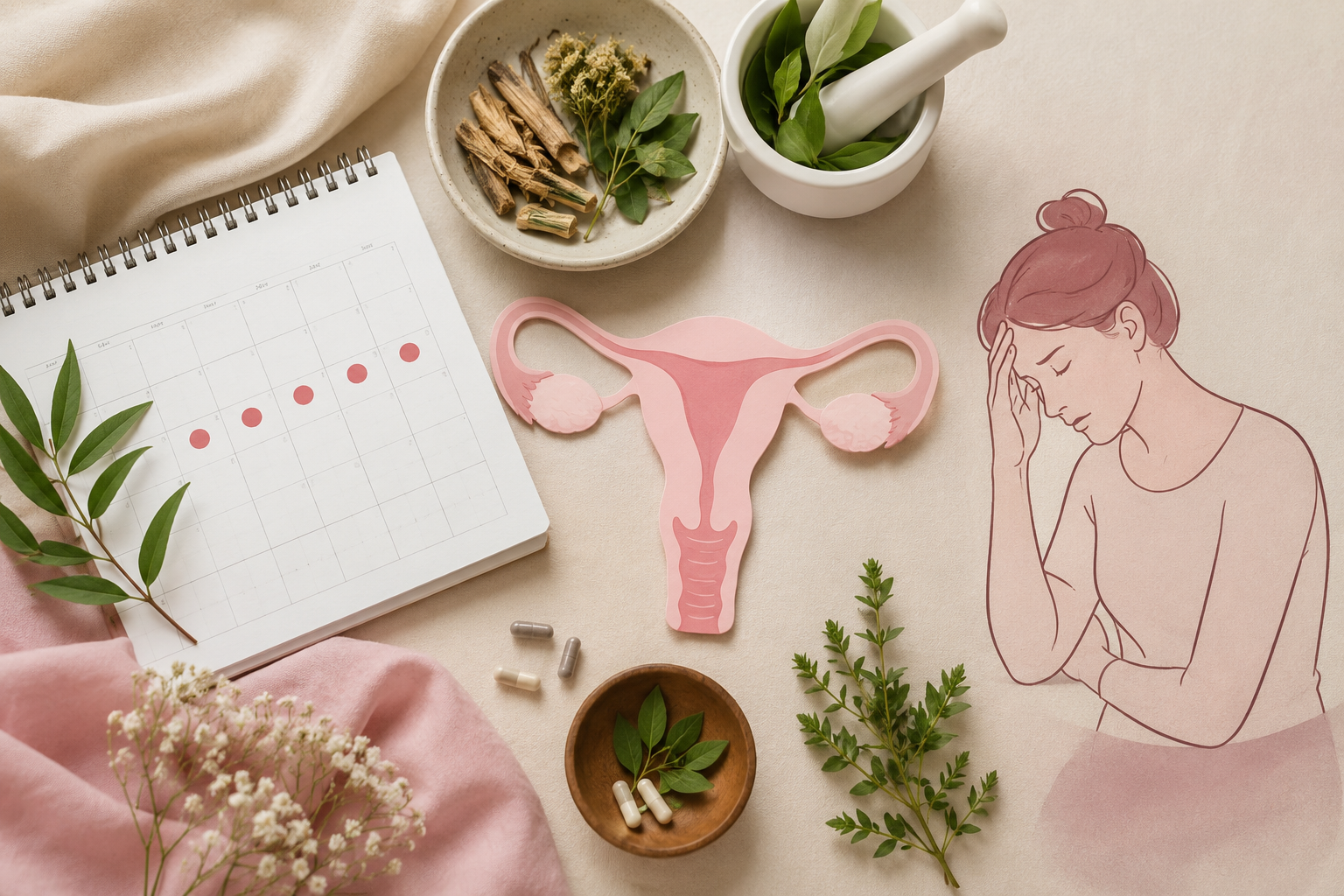
Menstrual cycles are an important indicator of a woman's overall health. While occasional changes in the timing of periods are common due to stress or lifestyle changes, consistently irregular periods may indicate an underlying health condition that requires proper evaluation.
Ayurveda considers menstruation (Artava) to be a reflection of the balance of the body's Doshas, healthy digestion (Agni), proper tissue nourishment (Dhatu), and a calm mind. Instead of only controlling symptoms, Ayurvedic treatment aims to identify and correct the root cause.
What Are Irregular Periods?
A normal menstrual cycle usually ranges from 21 to 35 days, with bleeding lasting 2 to 7 days. Periods are considered irregular if you experience:
- Cycles shorter than 21 days or longer than 35 days
- Missed periods for several months (Amenorrhea)
- Periods occurring at unpredictable intervals
- Very heavy or very light bleeding
- Spotting between periods
- Bleeding lasting more than 7 days
- Significant variation in cycle length every month
Common Causes of Irregular Periods
Polycystic Ovary Syndrome (PCOS)
PCOS is one of the leading causes of irregular periods. Common symptoms include:
- Delayed or absent periods
- Weight gain
- Acne
- Excess facial or body hair
- Difficulty conceiving
Stress and Anxiety
Emotional stress affects the hormones that regulate ovulation. Common signs:
- Delayed periods
- Missed periods
- Light bleeding
- Mood changes
Thyroid Disorders
Both hypothyroidism and hyperthyroidism can affect menstrual health:
- Irregular periods
- Heavy or scanty bleeding
- Fertility problems
- Weight changes
- Fatigue
Sudden Weight Gain or Weight Loss
Rapid changes in body weight influence hormone production. Common reasons include:
- Crash dieting
- Eating disorders
- Obesity
- Excessive gym workouts
- Poor nutrition
Excessive Exercise
Very intense physical activity may suppress ovulation. Common in:
- Athletes
- Marathon runners
- Professional dancers
- Women following extreme fitness routines
Pregnancy
Missing a period may simply be the first sign of pregnancy. If sexually active and your period is delayed, take a pregnancy test before assuming another cause.
Perimenopause
Women above 40 years may experience irregular periods as estrogen levels fluctuate before menopause. Symptoms include:
- Hot flashes
- Night sweats
- Mood swings
- Sleep disturbances
Other Medical Conditions
Irregular periods may also occur due to:
- High prolactin levels
- Diabetes
- Chronic illnesses
- Ovarian insufficiency
- Certain medications
- Uterine disorders
Symptoms Associated with Irregular Periods
Women may experience one or more of the following:
- Delayed periods
- Missed periods
- Heavy menstrual bleeding
- Very light bleeding
- Painful periods
- Acne
- Hair fall
- Facial hair growth
- Weight gain
- Mood swings
- Fatigue
- Difficulty conceiving
Ayurvedic Understanding of Irregular Periods
According to Ayurveda, menstrual disorders develop due to imbalance in Vata, Pitta, and Kapha Doshas.
Vata Predominance
- Delayed periods
- Scanty flow
- Severe cramps
- Anxiety
- Constipation
Pitta Predominance
- Heavy bleeding
- Early periods
- Burning sensation
- Irritability
- Acne
Kapha Predominance
- Delayed cycles
- Weight gain
- PCOS
- Thick white discharge
- Lethargy
Treatment is individualized after assessing the Dosha imbalance, digestive strength, and overall health.
Ayurvedic Treatment Approach
An Ayurvedic gynecologist may recommend:
- Personalized herbal medicines
- Dietary correction
- Lifestyle modification
- Panchakarma therapies (when indicated)
- Yoga and breathing exercises
- Stress management
- Weight management
- Regular follow-up to monitor progress
Treatment depends on the underlying cause and should always be tailored to the individual.
Natural Ways to Manage Irregular Periods
Maintain a Healthy Weight
Both obesity and being underweight can disturb hormones. Aim for gradual, sustainable weight management through balanced nutrition and regular physical activity.
Eat a Balanced Diet
Include fresh vegetables, seasonal fruits, whole grains, lentils, healthy fats, adequate protein, iron-rich foods and plenty of water. Reduce junk food, refined sugar, fried foods and sugary drinks.
Exercise Regularly
Moderate exercise for 30–45 minutes most days can help improve hormonal balance and support regular ovulation.
Manage Stress
Meditation, yoga, deep breathing (Pranayama), adequate sleep and time outdoors help balance the menstrual cycle.
Sleep Well
Aim for 7–8 hours of quality sleep every night. Poor sleep may disrupt hormone production and menstrual regularity.
Track Your Menstrual Cycle
Maintain a menstrual calendar or use a period-tracking app to record cycle length, bleeding duration, flow, pain, mood changes and ovulation symptoms. This helps your doctor identify patterns.
When Should You Consult a Gynecologist?
Seek medical advice if:
Periods stop for more than 3 months (and you are not pregnant)
Cycles are consistently shorter than 21 days or longer than 35 days
Bleeding is extremely heavy (soaking a pad every hour)
Bleeding lasts more than 7 days
Severe menstrual pain interferes with daily activities
Bleeding occurs after menopause
There is bleeding between periods
You are trying to conceive but have irregular ovulation
Irregular periods are accompanied by rapid weight gain, excessive facial hair, or severe acne
Early evaluation helps identify the cause and prevent complications.
Diagnosis
Your gynecologist may recommend:
- Detailed menstrual history
- Physical examination
- Pelvic ultrasound
- Pregnancy test
- Thyroid profile
- Hormonal evaluation (LH, FSH, Prolactin, AMH, etc., when indicated)
- Blood sugar assessment
- Other investigations based on your symptoms
Can Irregular Periods Affect Fertility?
Yes. Many women with irregular periods may not ovulate regularly, making it difficult to conceive. However, with timely diagnosis and appropriate treatment — whether through lifestyle changes, medical care, or Ayurveda — many women can restore regular ovulation and improve fertility outcomes.
Frequently Asked Questions
Are irregular periods always a sign of PCOS?
No. While PCOS is a common cause, thyroid disorders, stress, weight changes, pregnancy, perimenopause, and other medical conditions can also lead to irregular periods.
Can Ayurveda help regulate periods?
Ayurveda aims to address the underlying imbalance through personalized diet, lifestyle, herbal medicines, and therapies. Treatment should always be prescribed by a qualified Ayurvedic physician after proper evaluation.
Can stress alone delay periods?
Yes. Physical or emotional stress can interfere with ovulation, resulting in delayed or missed periods.
Should I ignore occasional irregular periods?
An occasional variation may not be serious. However, persistent irregularity, heavy bleeding, severe pain, or missed periods should be evaluated by a gynecologist.
Conclusion
Irregular periods are common but should not be ignored, especially if they persist or are associated with pain, excessive bleeding, infertility, or symptoms such as weight gain and acne. Understanding the underlying cause is essential for effective treatment.
Ayurveda offers a holistic approach by focusing on restoring hormonal balance, improving digestion and metabolism, supporting reproductive health, and promoting overall well-being through individualized care. If you experience persistent menstrual irregularities, consult a qualified gynecologist or Ayurvedic gynecologist for a comprehensive evaluation and personalized treatment plan.
Disclaimer: This article is intended for educational purposes only and should not replace professional medical advice, diagnosis, or treatment.
Have questions?
Speak with Dr. Anita and start your personalized care plan.