
Foods That Support Women's Hormonal Health According to Ayurveda
Hormonal balance is essential for a woman's overall health. Healthy hormones influence menstrual cycles, fertility, mood, metabolism, sleep, skin, and energy levels. Modern lifestyles, irregular eating habits, stress, poor sleep, and processed foods can disrupt this delicate balance.
According to Ayurveda, hormonal health depends on the balance of the three doshas — Vata, Pitta, and Kapha — along with healthy digestion (Agni) and proper nourishment of the body's tissues (Dhatus). Instead of treating hormones alone, Ayurveda aims to restore the body's natural balance.
Best Foods for Women's Hormonal Health
Ghee
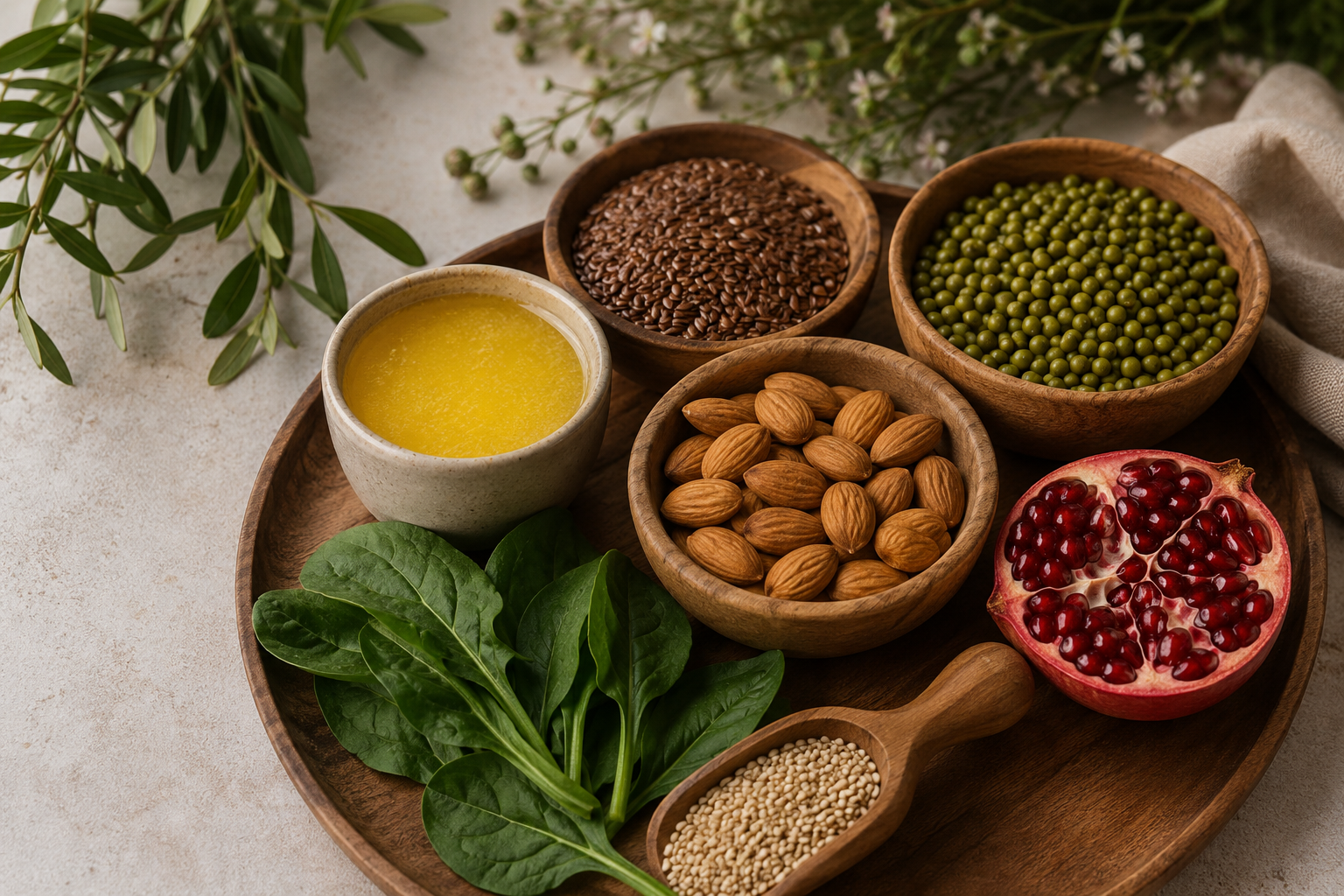
Pure cow's ghee nourishes reproductive tissues (Artava Dhatu), supports hormone production, improves digestion, and reduces Vata.
Sesame Seeds
Rich in calcium, magnesium, healthy fats, and phytoestrogens, sesame seeds help regulate menstrual cycles and support bone health.
Flaxseeds
Flaxseeds contain omega-3 fatty acids and lignans that help maintain healthy estrogen balance.
Fresh Seasonal Fruits
Papaya, pomegranate, apples, berries, guava, and oranges provide antioxidants that support hormone regulation and reproductive health.
Green Leafy Vegetables
Spinach, fenugreek leaves, drumstick leaves, and amaranth provide iron, folate, calcium, and magnesium, supporting healthy ovulation and menstrual health.
Whole Grains
Millets, barley, red rice, hand-pounded rice, and oats provide steady energy while preventing blood sugar fluctuations that may worsen hormonal imbalance.
Mung Dal
Easy to digest and rich in plant protein, mung dal supports tissue repair without increasing Kapha.
Nuts
Soaked almonds and walnuts provide vitamin E, zinc, and healthy fats essential for reproductive hormones.
Shatavari
Known as the "Queen of Herbs" in Ayurveda, Shatavari supports female reproductive health, menstrual regularity, fertility, and menopause.
Warm Water & Herbal Teas
Warm water, cumin-coriander-fennel tea, and ginger tea support digestion, reduce bloating, and improve metabolism.
Foods to Avoid
Refined Sugar
Excess sugar causes insulin spikes, contributing to hormonal imbalance and PCOS.
Refined Flour (Maida)
Difficult to digest and promotes weight gain and inflammation.
Packaged & Processed Foods
Contain preservatives, unhealthy fats, and additives that may interfere with metabolism.
Deep-Fried Foods
Increase Kapha, slow digestion, and contribute to obesity and insulin resistance.
Sugary Drinks
Soft drinks, packaged juices, and energy drinks increase blood sugar rapidly.
Excess Dairy
Heavy dairy products may aggravate Kapha in women with PCOS or obesity. Fresh homemade curd (during the daytime only) may be suitable for some individuals.
Excess Caffeine
Too much coffee or tea can increase stress hormones and disturb sleep.
Late-Night Heavy Meals
Eating late weakens digestion and affects metabolism, leading to hormonal imbalance over time.
Daily Ayurvedic Routine for Hormonal Balance
Wake Up Early
Wake before sunrise or around 6:00 AM to align with the body's natural rhythm.
Drink Warm Water
Start the day with a glass of warm water to stimulate digestion.
Exercise
Practice yoga, brisk walking, or Surya Namaskar for 30–45 minutes daily.
Practice Pranayama
Include Anulom Vilom, Bhramari, and deep breathing to reduce stress and support endocrine health.
Eat Meals on Time
Maintain regular meal timings and avoid skipping breakfast.
Eat Freshly Cooked Food
Choose warm, homemade meals over refrigerated or processed foods.
Sleep Well
Aim for 7–8 hours of quality sleep and avoid staying awake late.
Manage Stress
Meditation, mindfulness, reading, or spending time in nature can help reduce stress, which significantly affects hormonal balance.
Seasonal Recommendations
Summer (Grishma)
Eat more
- Coconut water
- Pomegranate
- Cucumber
- Watermelon
- Bottle gourd
- Homemade buttermilk
Avoid
- Excess spicy foods
- Fried snacks
- Carbonated drinks
- Excess coffee
Monsoon (Varsha)
Eat more
- Warm soups
- Ginger
- Garlic
- Light khichdi
- Steamed vegetables
Avoid
- Raw salads
- Street food
- Cold drinks
- Heavy oily meals
Winter (Hemanta & Shishira)
Eat more
- Ghee
- Sesame seeds
- Millets
- Dry fruits
- Soups
- Seasonal vegetables
Avoid
- Excess sweets
- Overeating
- Very cold foods
Ayurvedic Tips for Common Hormonal Problems
PCOS
- Maintain a healthy weight.
- Exercise daily.
- Limit sugar and processed foods.
- Eat high-fiber meals.
Painful Periods
- Drink warm water.
- Include anti-inflammatory spices like ginger and turmeric.
- Avoid cold foods during menstruation.
Menopause
- Include calcium-rich foods.
- Eat healthy fats.
- Practice yoga and meditation.
- Stay well hydrated.
Fertility Planning
- Eat a nutrient-rich, balanced diet.
- Maintain regular sleep.
- Avoid smoking and alcohol.
- Seek timely medical evaluation if conception is delayed.
Final Thoughts
Ayurveda teaches that hormonal balance begins with proper digestion, balanced nutrition, regular routines, restful sleep, and a calm mind. Small, consistent lifestyle changes often have a lasting positive impact on menstrual health, fertility, and overall well-being.
Disclaimer: This article is for educational purposes only and should not replace individualized medical advice. Every woman has unique health needs. Consult a qualified Ayurvedic gynecologist before starting any herbal medicines or treatment, especially if you have PCOS, infertility, thyroid disorders, or other medical conditions.
Have questions?
Speak with Dr. Anita and start your personalized care plan.